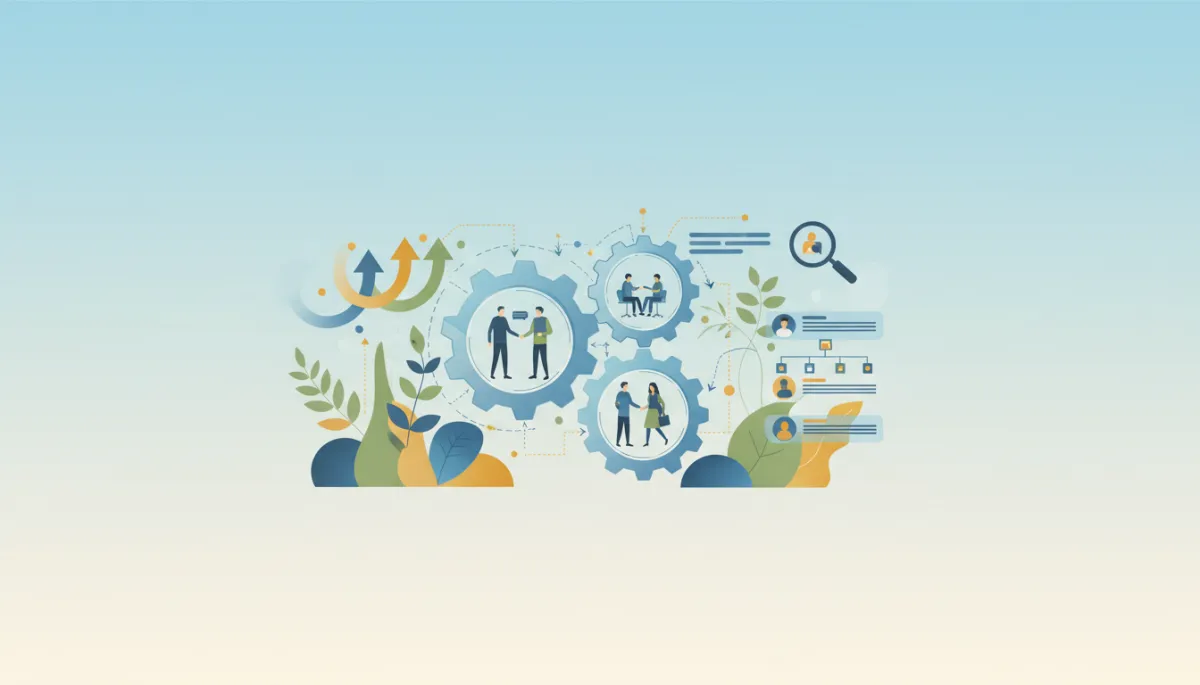
Boost Success with Daily Customer Service Habits
Business Strategy, Customer Service, Client Relationships
Five Keys to Success in a Slow Economy: Turn Real Customer Service into a Daily Habit
When the economy slows, many businesses instinctively cut prices, launch frantic promotions, and pour money into louder marketing. The companies that actually thrive do something very different: they double down on real customer service as a series of small, daily actions that retain and attract clients. In challenging times, the businesses that win are the ones that build genuine relationships, not just campaigns.
Why Real Customer Service Matters More Than Ever in a Slow Economy
In a booming economy, you can sometimes get away with average service because new customers keep coming. In a slow economy, every client has more choices, tighter budgets, and less tolerance for indifference. At that moment, customer service stops being a department and becomes a daily discipline.
Real customer service is not a slogan on your website. It is the accumulation of tiny, consistent actions: replying quickly to emails, following through on promises, checking in after a purchase, and making it easy for clients to get help. These actions quietly answer the question every buyer is asking: “Can I trust you when things get tough?”
In a slow economy, the businesses that earn that trust do three things consistently:
They retain existing clients by being present, responsive, and genuinely helpful every day.
They attract new clients because their current customers talk about them, refer them, and defend their value.
They outlast competitors who rely solely on discounts and flashy marketing.
📌 Key Takeaway: In tough times, your daily customer service habits are your most reliable marketing engine.
Key 1: Choose Relationship-Building Over More Marketing Noise
Marketing is important, but in a slow economy, simply shouting louder rarely works. Customers are already overwhelmed with offers, discounts, and “limited time” deals. What cuts through the noise is not another ad, but a relationship: a real person who knows their name, understands their situation, and cares whether they get the outcome they paid for.
Relationship-building over marketing means shifting your focus from getting attention to earning trust. It asks questions like:
How often do we personally check in with our best clients?
Do our customers feel comfortable reaching out when something is wrong?
Are we listening more than we are pitching?
When you focus on relationships, you stop seeing people as leads in a funnel and start seeing them as partners. You remember that loyal clients stay longer, buy more, and refer often. No marketing campaign can match the power of a client who says, “They really took care of me when things were uncertain.”
💡 Pro Tip: Allocate a portion of your “marketing time” each week to personal outreach: calls, handwritten notes, or tailored follow-ups to existing customers.
Key 2: Understand Your Ideal Client and Their Real Needs
You cannot deliver exceptional service to “everyone.” In a slow economy, clarity about your ideal client becomes a competitive advantage. When you know exactly who you serve best, you can tailor your daily actions, communication, and offers to what matters most to them right now.
Start by asking three simple questions:
Who is my ideal client, specifically? (Industry, size, role, stage of life, or situation.)
What are they worried about in this economy? (Cash flow, job security, growth, stability, time, reputation.)
How does my product or service help with those specific worries?
Understanding your ideal client’s needs is not a one-time exercise. It is a continuous process of listening, asking, and observing. You learn from:
The questions they ask before buying.
The problems they mention in casual conversation.
The reasons they give for choosing you—or for hesitating.
When you truly understand their needs, your customer service becomes proactive. Instead of reacting to complaints, you anticipate obstacles and offer help before they have to ask. That level of attentiveness is rare, and it is exactly what encourages clients to stay, even when budgets are tight.

Teams that study client feedback closely spot service opportunities competitors miss.
Key 3: Practice Effective, Human Outreach—Not Just Broadcasts
Outreach is often confused with blasting newsletters or posting more on social media. In a slow economy, effective outreach is personal, specific, and helpful. It is the email that says, “I saw this change in regulations and thought it might affect your business, here’s a quick summary,” not “Here’s our latest sale.”
Consider how you can build outreach into your daily routine:
Follow up after key milestones. Check in a week after a purchase, a month after a project, or at renewal time to ask how things are going and what could be improved.
Share relevant resources. Send articles, templates, or checklists that solve a problem they have mentioned, whether or not it leads to an immediate sale.
Ask short, thoughtful questions. A simple, “What’s the biggest challenge you’re facing with X right now?” can open a conversation that deepens the relationship.
📌 Key Takeaway: Effective outreach is measured not by how many people you reach, but by how many meaningful conversations you start.
Key 4: Forge Dynamic, Two-Way Relationships with Your Customers
Static relationships are transactional: you sell, they buy, and that is the end of the story. Dynamic relationships evolve over time. They involve dialogue, feedback, and adaptation. In a slow economy, dynamic relationships are your safety net because they keep you closely connected to what your customers actually need as conditions change.
To forge dynamic relationships, think in terms of ongoing engagement rather than one-off transactions:
Invite feedback regularly and make it easy to share—through quick surveys, short calls, or simple feedback forms.
Show that you act on what you hear. If a customer suggests an improvement, update them when you implement it.
Adjust your offerings, processes, or communication style based on what your best clients respond to.
Dynamic relationships turn customers into collaborators. They feel like they have a voice in how you serve them, which increases their emotional investment in your success. When that happens, they are far more likely to stay with you, even when cheaper options appear.
Key 5: Engage Deeply and Demonstrate Value to Foster Loyalty
Engagement is more than occasional contact; it is the ongoing sense that your business is present, attentive, and adding value. To foster loyalty in a slow economy, you must both engage with customers and demonstrate your value clearly.
Engagement can look like:
Hosting short Q&A sessions or webinars for your clients on topics they care about right now.
Creating simple guides that help them use your product or service more effectively and get faster results.
Checking in during key seasons or events that affect their business or life, offering support or ideas.
Demonstrating value means making the benefits of working with you visible and concrete. In a slow economy, clients are under pressure to justify every expense. Help them by:
Highlighting specific outcomes—time saved, money earned, risk reduced, stress lowered—rather than just features or hours worked.
Summarizing results in simple language at the end of projects or engagements: “Here is what we accomplished together in the last quarter.”
Reminding them gently of past wins when discussing renewals or new projects.
💡 Pro Tip: A loyal customer is rarely loyal by accident. Loyalty is the natural result of clear value plus consistent, human engagement.
Three Actionable Steps You Can Take This Week
Turning these keys into reality does not require a massive overhaul. It requires deliberate, manageable actions you can start this week. Here are three practical steps to enhance your customer service and relationships immediately:
Step 1: Identify and Reach Out to Your Top 10 Clients Personally
Make a simple list of your top 10 clients—the ones who bring you the most revenue, refer others, or have been with you the longest. Over the next seven days, reach out to each of them personally. This could be a phone call, a short video message, or a thoughtful email that:
Thanks them specifically for their business and trust.
Asks how things are going in the current climate and what has changed for them.
Invites them to share one thing you could do to support them better right now.
This single action strengthens relationships, surfaces new needs, and shows that you are invested in their success—not just their next purchase.
Step 2: Map One Ideal Client Profile and Adjust Your Service Around It
Set aside one focused hour this week to write a short profile of your ideal client. Give them a name, a role, and a situation. Describe:
Their top three worries in the current economy.
What “excellent service” would look like to them day-to-day.
How they would describe your value to a colleague if things went really well.
Then, choose one small change you can make in your daily service to better match that profile. It might be faster response times, clearer progress updates, or a more flexible way to communicate. Implement that change this week and observe the response.
Step 3: Create a Simple Follow-Up Ritual for Every New or Returning Client
Design a basic follow-up ritual you can use consistently. For example:
Day 1: Send a warm thank-you message with clear next steps and contact details for support.
Day 7: Check in to see how things are going and answer any questions.
Day 30: Ask for feedback and offer a small tip or resource to help them get even more value.
This simple structure turns one-time transactions into the beginning of dynamic relationships. It also signals to your clients that you are organized, attentive, and genuinely committed to their experience.
Your Next Move—and an Invitation to Share Your Success
A slow economy can feel intimidating, but it also reveals what has always been true: your greatest asset is the strength of your customer relationships. Marketing may bring people to your door, but daily, thoughtful customer service is what keeps them coming back and telling others about you.
As you look at your own business, ask yourself: Which of these five keys do we already do well, and which one needs attention right now? Then, choose the three actionable steps you will commit to this week—whether it is reaching out to your top clients, clarifying your ideal customer, or building a simple follow-up ritual. Write them down, share them with your team, and put them into motion.
As you implement these changes, pay attention to what happens. Do clients respond more quickly? Do conversations feel deeper? Do you start to hear, “Thank you, this really helped,” more often? Those are the early signs that your daily actions are turning into long-term loyalty.
📌 Key Takeaway: You do not need to control the economy to control your customer experience. Focus on what you can do today.
Finally, consider this an open invitation: share your success stories. When you try one of these steps and see a positive shift—an appreciative email, a renewed contract, a new referral—capture that story. Share it with your team to reinforce the power of real customer service. Share it with your community to inspire other businesses. And if you are comfortable, share it with us as well. Your experience can encourage other leaders to choose relationship-building over short-term tactics and to build businesses that thrive, even when times are slow.
The economy will rise and fall. Trends will come and go. But the companies that commit to daily, human, value-driven customer service will always have an edge. Start today, one conversation at a time.
