Sleep Health Myths: Sunlight & Habits for Better Rest
Health, Sleep Health, Lifestyle
Sleep Health Myths, Sunlight, and Habits: A Practical Guide to Better Rest
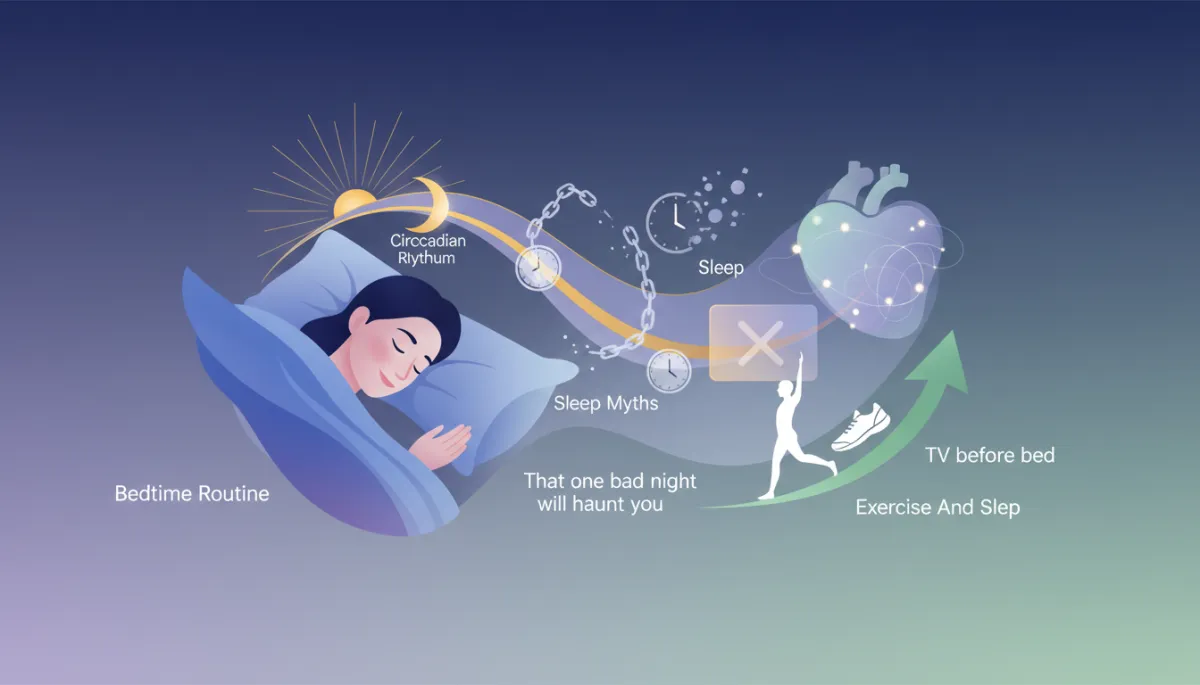
Your sleep is not a luxury or a personality trait; it is a core pillar of health. Understanding your circadian rhythm, common sleep myths, and daily habits like screen time and exercise can turn restless nights into restorative sleep.
Build A Healthier Relationship With Sleep
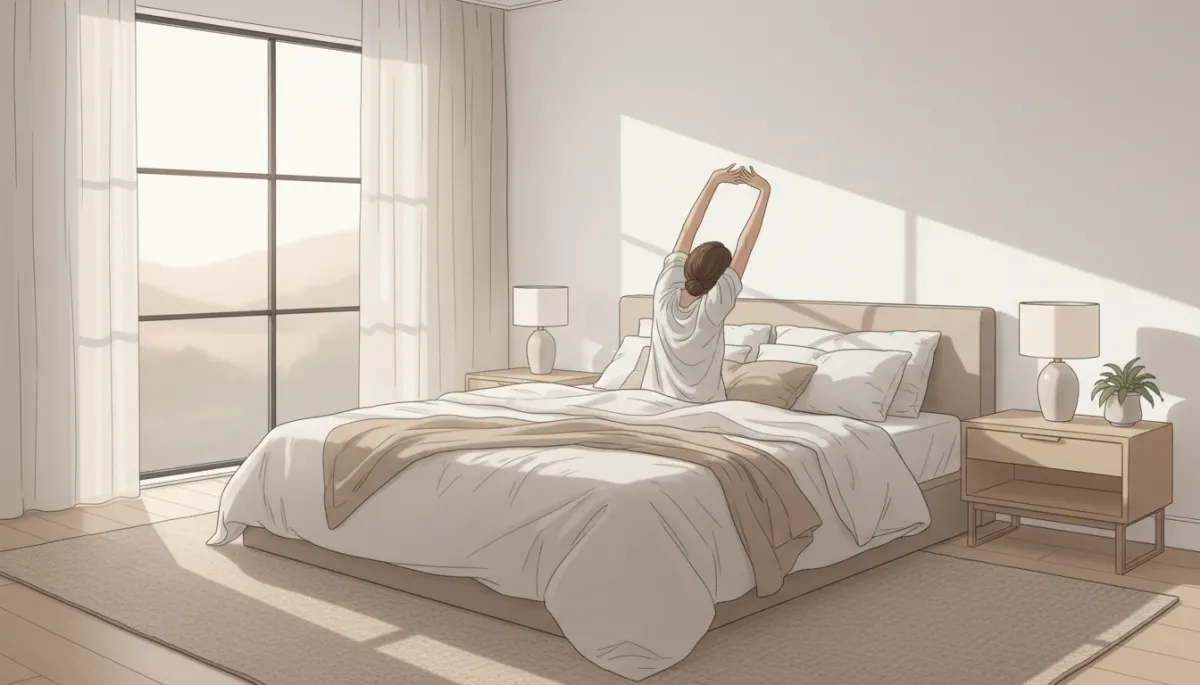
Understand your body clock, debunk myths, and reset your bedtime routine
Why Sleep Is So Important for Your Health
Sleep is the time your body quietly performs maintenance. While you rest, your brain consolidates memories, your muscles repair, and your immune system strengthens its defenses. Good Sleep Health is linked to a lower risk of heart disease, obesity, type 2 diabetes, depression, and even certain cancers. Poor or irregular sleep, on the other hand, acts like a slow leak in your health tank, draining energy, focus, and emotional resilience day after day.
On a daily level, adequate sleep improves concentration, reaction time, and decision-making. That means fewer mistakes at work, safer driving, and better performance in everything from workouts to conversations. Emotionally, quality sleep helps regulate mood. You are more patient, less reactive, and better able to handle stress when your brain has had enough time to reset overnight. In short, Optimal Sleep is not just about feeling less tired; it is about functioning as the best version of yourself.
Your Circadian Rhythm: How Sunlight Sets Your Internal Clock
At the center of Sleep Health lies a powerful, often overlooked system: your Circadian Rhythm. This is your body’s 24-hour internal clock, coordinating when you feel awake, sleepy, hungry, and even when hormones are released. The most important cue for this clock is sunlight. Specialized cells in your eyes sense natural light and send signals to the brain region that controls your sleep–wake cycle, telling your body, “It is daytime, stay alert,” or “It is getting dark, time to wind down.”
Morning light in particular is a powerful anchor for your Circadian Rhythm. Getting outside or near a bright window within the first hour of waking can help you feel more alert during the day and naturally sleepier at night. Meanwhile, bright light late at night sends the opposite message, delaying the release of melatonin, the hormone that signals sleep. Building a consistent light routine—bright days and dim evenings—is one of the most effective, natural ways to improve your Bedtime Routine and overall Optimal Sleep.
💡 Pro Tip: Aim for at least 10–20 minutes of natural daylight within an hour of waking to strengthen your Circadian Rhythm.
Sleep Myth #1: One Bad Night Will Haunt You Forever
Many people panic after a rough night, convinced they have “ruined” their health or the next day beyond repair. This is one of the most common Sleep Myths. The truth is that your body is built to cope with occasional poor sleep. You might feel groggy, less focused, and a bit irritable, but one bad night will not undo all your progress or permanently damage your health.
What matters far more is your pattern over weeks and months. Chronic sleep deprivation—regularly cutting sleep short—is what increases long-term health risks. If you have a late night or restless sleep, the best thing you can do is avoid catastrophizing. Stick to your normal wake time, get some morning sunlight, avoid excessive caffeine, and return to your usual Bedtime Routine the following night. Your Circadian Rhythm will generally reset within a day or two, and your body will naturally “make up” some of the lost deep sleep without you needing to obsess over it.
Sleep Myth #2: Falling Asleep Instantly Means You’re a Great Sleeper
It is easy to envy people who say, “I hit the pillow and I am out in seconds.” But instant sleep is not always a badge of honor. In fact, it can be a sign that your body is overly sleep-deprived. Healthy Sleep Health usually means drifting off within about 10–20 minutes of getting into bed. That window suggests your brain is ready for rest but not completely exhausted.
If you routinely fall asleep the moment your head touches the pillow, nod off during meetings, or struggle to stay awake in front of the TV, your body may be trying to tell you something. You might be carrying a chronic sleep debt, or there could be an underlying issue such as sleep apnea. In the context of Sleep Myths, “the faster the better” is misleading. Prioritizing a consistent schedule, a calming Bedtime Routine, and enough total sleep time is far more important than boasting about instant sleep.
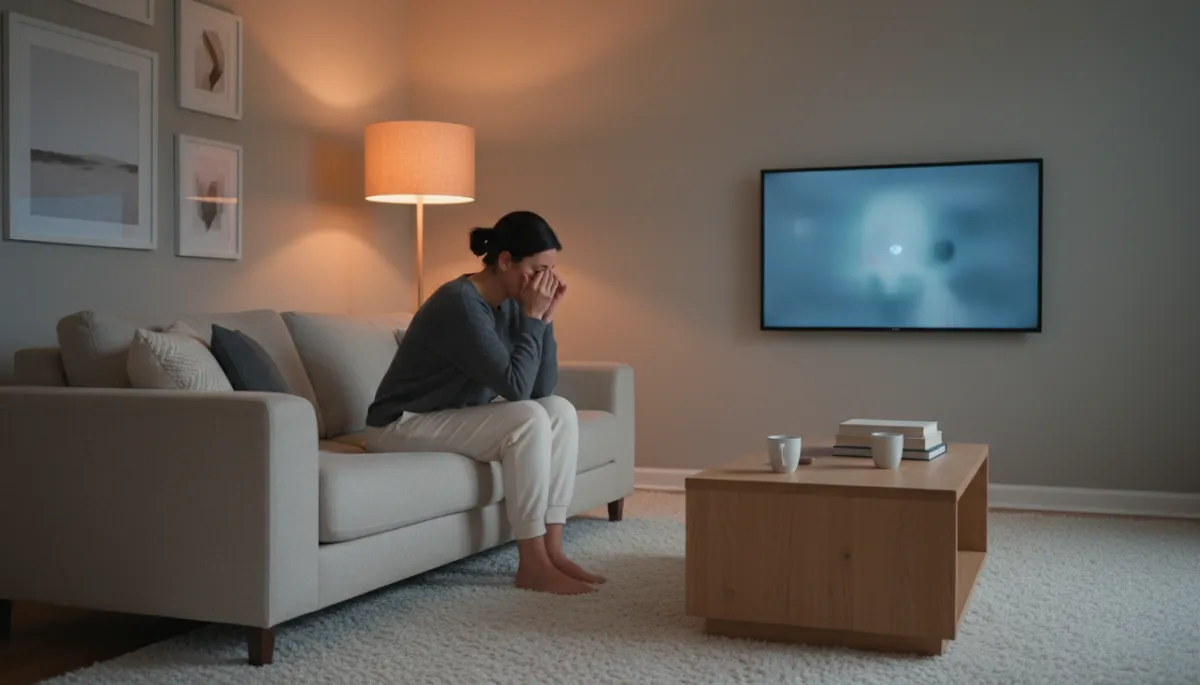
Evening screen habits can quietly erode even a carefully planned bedtime routine.
Sleep Myth #3: Five Hours Is Enough If You’re Tough
Another persistent myth is that highly driven or “tough” people can train themselves to thrive on five hours of sleep. While there is a tiny fraction of the population with a rare genetic variant that allows them to function well on less sleep, most adults are not in that group. For the vast majority, regularly sleeping only five hours leads to slower thinking, weaker immunity, and increased risk of chronic disease, even if you feel like you are coping in the short term.
Studies show that people who are sleep-deprived often underestimate how impaired they are. You might adapt to feeling “tired but wired” and call it normal, but your brain and body are still operating below their best. Debunking this Sleep Myths narrative is essential: Optimal Sleep for most adults falls around 7–9 hours per night. That range supports learning, memory, emotional balance, and long-term health far better than a proud but exhausted five hours ever will.
How TV Before Bed Affects Your Sleep
Many people unwind by watching TV in bed, assuming it helps them relax. In reality, late-night screens can quietly sabotage your Bedtime Routine. First, the blue-enriched light from screens tells your brain it is still daytime, suppressing melatonin and pushing your Circadian Rhythm later. That can make it harder to fall asleep and reduce the quality of your Optimal Sleep, even if you do not feel “wide awake.”
Second, the content you watch matters. Fast-paced shows, cliff-hanger episodes, news, or emotionally intense movies can keep your brain in a state of alertness rather than calm. Your heart rate may stay elevated, and your mind may replay scenes long after you turn the TV off. Instead, try creating a screen-free wind-down window of 30–60 minutes before bed. Swap TV for reading a physical book, gentle stretching, journaling, or listening to calming audio. These quieter habits signal safety and rest, supporting healthier Sleep Health over time.
💡 Pro Tip: If you do watch TV at night, keep the room lights low, sit a bit farther from the screen, and set a firm “last episode” time.
Exercise and Sleep: A Powerful Two-Way Relationship
Regular movement is one of the most reliable tools for improving Exercise And Sleep quality. People who exercise consistently tend to fall asleep faster, spend more time in deep, restorative stages of sleep, and wake up less often during the night. Physical activity helps regulate stress hormones, stabilizes mood, and can strengthen your Circadian Rhythm by giving your body clear cues about daytime and nighttime patterns.
The timing and intensity of exercise matter. Moderate exercise earlier in the day—or even in the late afternoon—usually supports better sleep. Very intense workouts right before bed, however, can leave your heart rate and body temperature elevated, making it harder to drift off. If evenings are your only option, try finishing vigorous activity at least 1–2 hours before bedtime and use the last part of your night for gentle stretching, yoga, or a calming walk. Over time, pairing consistent movement with a stable sleep schedule creates a positive loop: better Exercise And Sleep feed into each other, enhancing your overall health.
Building a Sustainable Bedtime Routine for Optimal Sleep
Improving Sleep Health does not require perfection; it requires consistency. Think of your nightly wind-down as teaching your body a simple script: “Now we transition from doing to resting.” A helpful Bedtime Routine might include dimming lights an hour before bed, shutting down stimulating screens, doing a brief tidy-up to signal closure for the day, and then moving into calming activities like reading, stretching, or a warm shower. Try to keep your sleep and wake times relatively consistent—even on weekends—to support your Circadian Rhythm.
As you experiment, remember the key lessons from the Sleep Myths we have debunked: one bad night will not haunt you; instant sleep is not always a victory; and five hours is not a sustainable badge of honor. Combine morning sunlight, thoughtful evening light, mindful TV habits, and regular movement, and you will create the conditions for truly Optimal Sleep. Over time, these small, steady changes can transform not just your nights, but your energy, mood, and health throughout the day.
