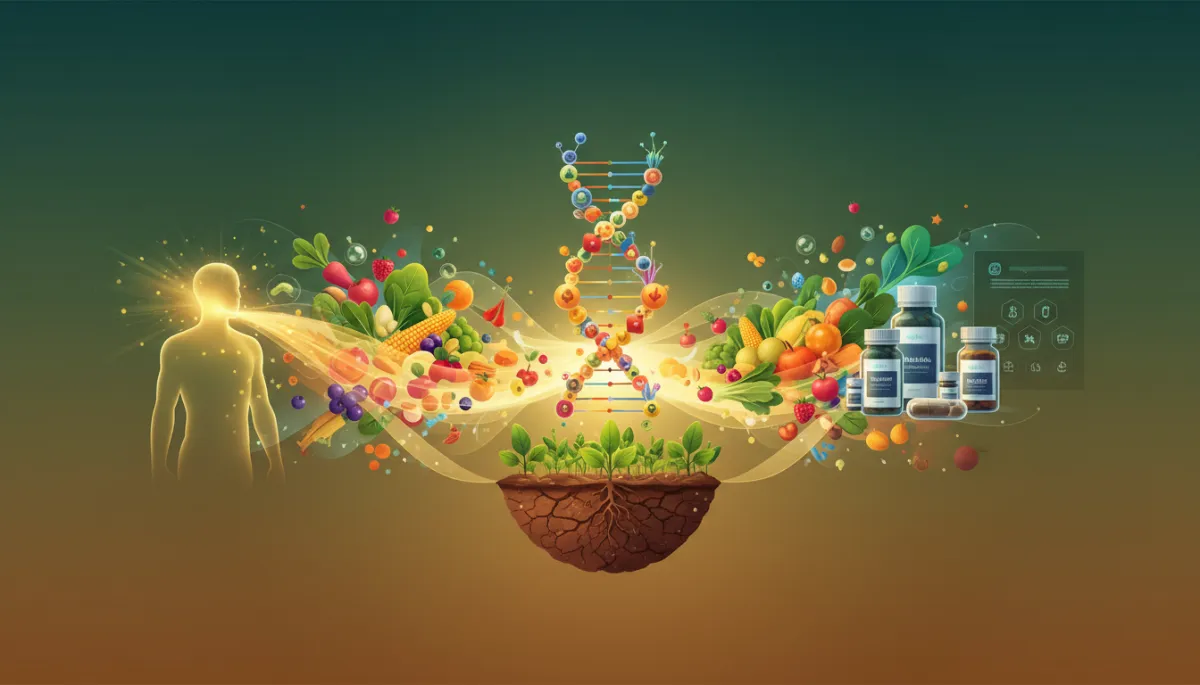
Nutrition and Vitality: Boost Your Energy Naturally
Nutrition, Vitality, Energy, Supplements
Nutrition and Vitality: Why What You Eat Shapes Every Part of Your Life
If your energy is low, your mood is flat, and you feel older than your years, there is a good chance the root cause is not “just stress” or “getting older.” It’s very often nutrition. Not just how many calories you eat, but how much real nourishment your body actually receives—and what it can absorb. Understanding this difference is the key to reclaiming your vitality.
How Nutrition Really Affects Vitality
Vitality is more than “not being sick.” It’s the feeling of waking up refreshed, thinking clearly, moving easily, and having enough energy left over for the people and activities you love. At its core, vitality is your body’s ability to produce, distribute, and wisely use energy. Nutrition sits at the center of that process.
Every cell in your body needs raw materials to function: vitamins, minerals, amino acids, essential fats, and phytonutrients. These are the cofactors that help you:
Convert food into usable cellular energy (ATP)
Repair tissues, from your skin to your muscles to your gut lining
Balance hormones that govern mood, sleep, metabolism, and libido
Power your immune system so you resist infections instead of constantly catching them
When any of these nutrients are missing or chronically low, your body is forced into triage mode. It diverts resources to immediate survival—keeping your heart beating and lungs working—while quietly cutting corners on “optional” functions like glowing skin, deep sleep, stable mood, or a strong libido. You may not be clinically ill, but you certainly don’t feel vibrant. That gap between survival and true vitality is where nutrition makes the biggest difference.
Malnourished in a Land of Plenty: Obesity and Hidden Deficiencies
One of the most confusing realities of modern health is that many people are both overweight and undernourished at the same time. You can consume far more calories than your body needs and yet still be missing key nutrients that drive energy, metabolism, and resilience. This is sometimes called “hidden hunger” or “overfed but undernourished.”
Highly processed foods—fast food, packaged snacks, sugary drinks, and convenience meals—are typically rich in calories, sugar, refined oils, and additives, but poor in vitamins, minerals, and protective plant compounds. They fill your stomach without truly feeding your cells. The result is a vicious cycle:
Your body craves more food, not because it needs more calories, but because it’s still searching for missing nutrients.
You overeat energy-dense, nutrient-poor foods, leading to weight gain, blood sugar swings, and inflammation.
The extra weight and inflammation further drain your energy and blunt your motivation to move or cook healthier meals.
This is why someone with obesity can still show lab signs of anemia, vitamin D deficiency, low magnesium, or suboptimal B vitamins. Their body is literally starving for the building blocks of vitality, even as fat stores accumulate. Breaking this cycle requires not just eating less, but nourishing more—focusing on nutrient density rather than calorie counting alone.
The Quiet Decline of Nutrients in Modern Produce
Many people assume that as long as they “eat their fruits and vegetables,” they are fully covered nutritionally. Unfortunately, the story is not that simple anymore. Over the past several decades, the nutrient content of many common fruits, vegetables, and grains has declined—sometimes dramatically.
Studies comparing today’s produce with that of the mid-20th century have shown lower levels of vitamins and minerals such as vitamin C, B vitamins, iron, calcium, magnesium, and zinc in a variety of crops. Several factors contribute to this trend:
Soil depletion: Intensive farming practices, chemical fertilizers, and lack of crop rotation can strip soil of minerals faster than they are replenished. Plants can’t create minerals; they can only absorb what’s in the soil.
Breeding for yield and appearance: Modern crops are often selected for size, uniformity, sweetness, and shelf life rather than nutrient density. Bigger, prettier produce doesn’t always mean more nourishing produce.
Early harvesting and long transport: Many fruits and vegetables are picked before they’re fully ripe and then stored and shipped over long distances. This can limit the time they have to develop their full nutrient profile on the vine or tree.
None of this means that fruits and vegetables are unimportant—far from it. Whole plant foods remain foundational for health. But it does mean that “eating well” today may not provide the same nutritional coverage it once did. If you are relying on modern produce alone to meet all your vitamin and mineral needs, you may be unintentionally coming up short, especially if your lifestyle, stress levels, or medications increase your nutrient requirements.

Even with a healthy plate, smart supplementation can help close modern nutrient gaps.
Why Whole Foods Are Essential—but Often Not Enough
Moving away from ultra-processed foods toward whole, minimally processed foods is one of the most powerful steps you can take for your health. It stabilizes blood sugar, reduces inflammation, and naturally delivers more fiber, antioxidants, and micronutrients. However, for many people, this shift alone still doesn’t fully restore vitality—and there are good reasons why.
Higher demands, higher depletion: Chronic stress, poor sleep, intense exercise, and exposure to pollutants all increase your need for certain nutrients like magnesium, B vitamins, vitamin C, and antioxidants. Modern life simply uses up more “nutritional fuel” than it did in the past.
Digestive issues and absorption: Conditions like low stomach acid, irritable bowel, celiac disease, or long-term use of acid blockers can impair your ability to extract nutrients from food, even if your diet looks good on paper.
Restricted diets: Vegetarian, vegan, dairy-free, gluten-free, or low-calorie diets can be healthy, but they also remove certain nutrient sources. Without careful planning, gaps in iron, B12, omega-3s, choline, or zinc can appear.
This is where high-quality supplementation becomes less of a “nice extra” and more of a practical necessity. Think of supplements not as a shortcut or replacement for real food, but as a targeted way to fill the gaps that modern life and modern agriculture have opened up. When chosen wisely, they can be the difference between feeling “okay” and feeling genuinely alive again.
The Importance of Quality Supplements for Real-World Vitality
Not all supplements are created equal. The shelves are full of products that look impressive, promise the world, and cost very little—yet deliver almost nothing of real value to your body. Others are thoughtfully formulated, rigorously tested, and genuinely capable of moving the needle on energy, mood, and resilience. The difference comes down to quality and bioavailability: what’s in the capsule, and how well your body can use it.
High-quality supplements can support vitality in several key ways:
Replenishing common deficiencies: Nutrients like vitamin D, magnesium, omega-3 fatty acids, and B vitamins are frequently low in modern diets and strongly linked to energy, mood, and metabolic health. Correcting these alone can make a noticeable difference in how you feel day to day.
Providing therapeutic doses: Food is fantastic for maintenance, but sometimes you need more than food can reasonably supply. For example, getting a higher, targeted dose of magnesium or omega-3s is far easier and more practical in supplement form than trying to achieve the same levels through diet alone.
Offering specialized forms: Certain nutrients are available in forms that are better tolerated or more easily absorbed than those typically found in food—for instance, methylated B vitamins for people with specific genetic variations, or chelated minerals for those with sensitive digestion.
When thoughtfully integrated into a foundation of whole foods, movement, and sleep, supplements can help restore the nutritional reserves your body needs to shift from survival mode back into a state of genuine vitality.
How to Choose High-Quality, Bio-Available Supplements
With so many options on the market, it’s easy to feel overwhelmed—or to waste money on products that don’t actually help. To support your energy and vitality, focus on supplements that are both high-quality and bio-available, meaning your body can absorb and use them efficiently. Here are practical guidelines to help you choose wisely:
Check the form of the nutrient: Some forms are better absorbed and better tolerated than others. For example, look for magnesium glycinate, citrate, or malate instead of magnesium oxide, or methylcobalamin instead of cyanocobalamin for vitamin B12. For omega-3s, triglyceride or re-esterified triglyceride forms are often more bioavailable than ethyl ester forms.
Look for transparency and testing: Reputable brands are open about their ingredient sources and manufacturing practices and often use third-party testing to verify purity and potency. Certifications from organizations that test for contaminants and label accuracy are a good sign that you’re getting what’s promised on the bottle.
Avoid unnecessary fillers and additives: While some inactive ingredients are needed for stability, be wary of products loaded with artificial colors, flavors, or sweeteners. These don’t add nutritional value and can irritate sensitive systems.
Consider synergy, not just single ingredients: A well-formulated multivitamin or targeted complex (for example, a B-complex or a mineral blend) can provide nutrients in balanced ratios that work together. This can be more effective than randomly combining isolated supplements that may compete with each other for absorption.
Match the supplement to your real needs: Whenever possible, base your choices on blood work, symptoms, and professional guidance rather than trends or marketing claims. Someone who works indoors in a northern climate may genuinely need more vitamin D, while a person on a plant-based diet might benefit more from B12, iron, and omega-3s.
💡 Pro Tip: Start with a small, well-chosen core—such as a high-quality multivitamin, magnesium, and omega-3s—before layering on more targeted supplements. It’s easier to track what’s actually helping.
How to Avoid Wasting Money on Ineffective Products
The supplement industry is huge, and not every product deserves a place in your routine—or your budget. To protect both your health and your wallet, approach supplements with the same discernment you’d use for any important purchase. Here are red flags and practical safeguards:
Beware of miracle claims: If a product promises instant weight loss, overnight energy, or to “cure” serious conditions, be skeptical. Real nutritional support works gradually and supports your body’s own processes; it doesn’t override biology in a week.
Question rock-bottom prices: Quality ingredients, proper testing, and responsible manufacturing cost money. While you don’t need the most expensive brand on the shelf, extremely cheap products often cut corners on ingredient quality, dosage, or purity.
Read the label, not just the front: The front of the bottle is marketing; the back is reality. Check actual dosages, ingredient forms, and serving sizes. A product that boasts many ingredients but only includes “sprinkling” amounts of each may look impressive but do very little in practice.
Avoid endless “kitchen sink” formulas: Some products cram dozens of herbs, vitamins, and extracts into a single pill. This can make it impossible to know what’s actually working—or interacting. Simple, clearly targeted formulas are often more effective and easier to evaluate.
⚠️ Warning: Supplements can interact with medications or medical conditions. Before starting a new regimen—especially if you take prescription drugs—consult a qualified healthcare professional.
Putting It All Together: A Practical Path to Greater Vitality
Improving your energy and overall vitality through nutrition doesn’t have to be complicated or extreme. It does, however, require a shift in focus: away from calories alone and toward genuine nourishment—both from food and from carefully chosen supplements. Here is a simple framework to guide your next steps:
Upgrade your everyday plate: Center your meals on quality protein, colorful vegetables, some fruit, healthy fats, and minimally processed whole grains or starches as appropriate for your body. The more your food looks like it did in nature, the better its chances of supporting real vitality.
Reduce nutrient thieves: Gradually cut back on sugary drinks, ultra-processed snacks, and refined carbohydrates that spike blood sugar and deplete nutrients. These foods not only fail to nourish you; they actively work against your energy and mood.
Identify your likely gaps: Consider your lifestyle, location, and dietary pattern. Do you get little sunlight? Eat little seafood? Follow a plant-based or restrictive diet? These clues can point to where targeted supplementation may be most helpful.
Build a focused supplement core: With guidance from a professional if possible, choose a small set of high-quality, bio-available supplements to cover your basics and address your specific needs. Give them time—several weeks to a few months—to exert their full effect while you continue to improve your diet and lifestyle.
As your nutritional status improves, you may notice subtle but powerful changes: waking up before your alarm, fewer afternoon crashes, clearer thinking, better workouts, more stable mood, and a renewed desire to engage with life rather than just get through the day. These are signs that your body is finally getting what it needs to thrive, not just survive.
Final Thoughts: Vitality Is Built, Not Bought
In a world of quick fixes and instant promises, it’s tempting to look for a single magic pill that will erase fatigue and restore youth. But genuine vitality is built over time, through consistent choices that honor how your body actually works. Nutrition is the foundation of that process—both the food you eat and the supplemental support you use to fill in the gaps that modern life creates.
By understanding that you can be malnourished despite obesity, recognizing the decline in nutrient content of modern produce, and appreciating why whole foods—though essential—are sometimes not enough on their own, you are better equipped to make informed, strategic decisions. High-quality, bio-available supplements, chosen with care and grounded in your real needs, can transform your nutrition from “good enough” into a powerful driver of energy, clarity, and resilience.
You deserve more than just getting through the day. With a smarter approach to nourishment—one that respects both the limits of our modern food supply and the possibilities of well-made supplements—you can rebuild the vitality that touches everything: your work, your relationships, your creativity, and your joy in simply being alive.
