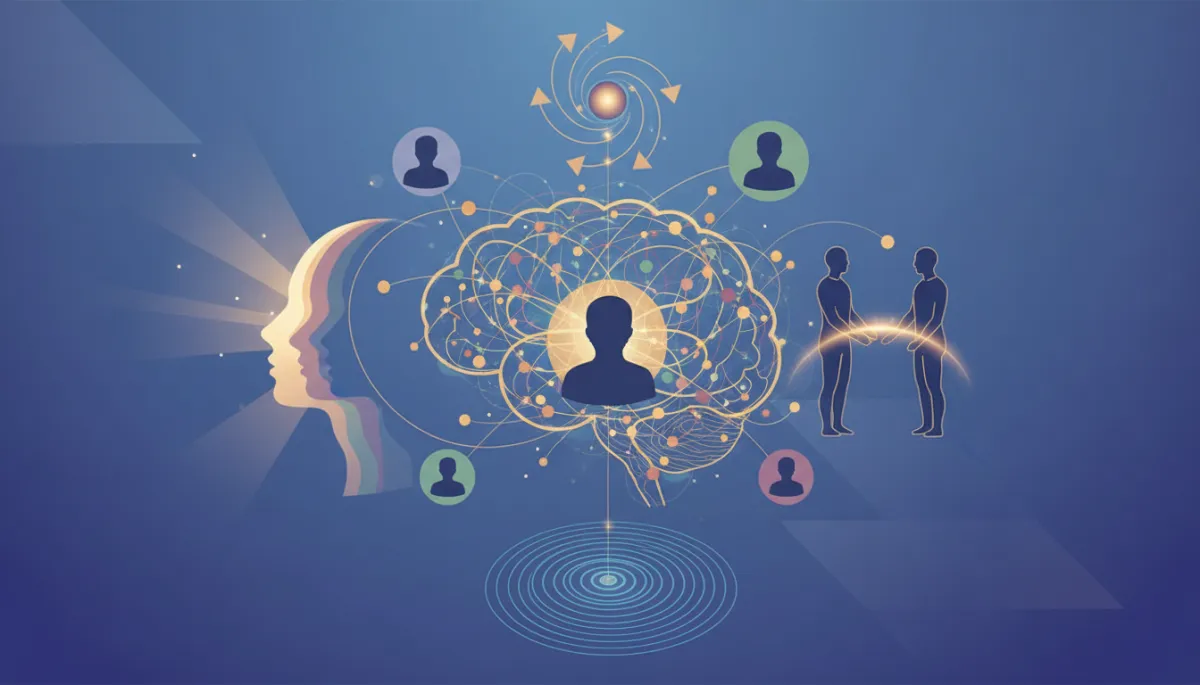
Emotional Intelligence: Key to Resilient Living
Personal Growth, Emotional Intelligence
Emotional Intelligence: The Essential Skill for a Resilient, Fulfilling Life
Emotional intelligence is no longer a soft, optional trait; it is a core capability that shapes how you think, relate, and perform. Understanding what emotional intelligence is, recognizing its impact on every area of life, and learning how to develop it intentionally can transform your relationships, decision-making, and overall well-being.
What Is Emotional Intelligence?
Emotional intelligence (often shortened to EI or EQ) is the ability to recognize, understand, and manage your own emotions, and to recognize, understand, and influence the emotions of others. Unlike IQ, which focuses on cognitive ability, emotional intelligence centers on how you handle feelings—your own and those of the people around you. It combines self-awareness, self-management, social awareness, and relationship management into a practical set of skills you can use in daily life.
At its core, emotional intelligence answers questions such as: What am I feeling right now?Why am I feeling this way?How might my reaction affect other people? and What is the most constructive way to respond? When you can answer these questions accurately and consistently, you are operating with high emotional intelligence, rather than being driven by impulse or habit.
The Four Core Components of Emotional Intelligence
Self-awareness: The ability to notice and name your emotions, understand your triggers, and see how your feelings influence your thoughts and behavior. Self-awareness is the foundation of all other emotional intelligence skills, because you cannot manage what you do not recognize.
Self-management: The capacity to regulate your emotional responses, especially under pressure. This includes stress management, impulse control, adaptability, and the ability to stay composed and solution-focused rather than reactive or defensive.
Social awareness (empathy): The skill of accurately reading the emotions, needs, and perspectives of others. Empathy allows you to sense how people are feeling, even when they do not say it directly, and to respond in ways that build trust and psychological safety.
Relationship management: The ability to use awareness of your own emotions and those of others to manage interactions effectively. This includes communication, conflict resolution, collaboration, and the capacity to inspire, influence, and support people constructively.
📌 Key Takeaway: Emotional intelligence is not about avoiding emotions or being “nice” all the time. It is about understanding emotions so you can respond deliberately rather than react automatically.
How Emotional Intelligence Impacts Your Life
Emotional Intelligence and Personal Well-Being
Your internal world—your thoughts, emotions, and physical sensations—is constantly influencing your experience of life. High emotional intelligence helps you navigate this inner landscape with clarity and stability. When you develop self-awareness, you notice early signs of frustration, anxiety, or sadness before they escalate. Through effective stress management, you can pause, breathe, and choose a response that protects both your mental health and your long-term goals.
People with strong emotional intelligence tend to experience greater resilience. They recover more quickly from setbacks because they can acknowledge their disappointment without being consumed by it. Instead of thinking, “I failed, so I am a failure,” they are more likely to say, “This did not work the way I hoped. What can I learn from it?” This mindset protects self-esteem and supports healthier coping strategies, such as problem-solving, seeking support, or adjusting expectations.
Emotional Intelligence in Relationships and Communication
Whether in personal or professional contexts, relationships thrive when people feel heard, respected, and understood. Emotional intelligence directly supports this by enhancing empathy and communication. When you are tuned in to your own emotional state, you are less likely to project unspoken frustrations onto others. When you are attuned to others, you can pick up on subtle cues—tone of voice, facial expressions, body language— that reveal how they are really feeling beneath the surface of their words.
High emotional intelligence improves relationships in several ways. It helps you give and receive feedback without becoming defensive. It enables you to set boundaries respectfully, saying “no” where necessary without unnecessary guilt or aggression. It also supports conflict resolution by helping you separate the issue from the person, so you can address the problem without attacking the other individual. Over time, these skills build trust, deepen connection, and create a more stable social support network.

Emotionally intelligent communication turns tense conversations into opportunities for clarity and trust.
Decision-Making and Performance Under Pressure
Emotions are present in every decision you make, whether you acknowledge them or not. Fear, excitement, frustration, and hope all influence how you interpret information and what you choose to do next. Emotional intelligence allows you to factor emotions into decision-making without being dominated by them. Instead of ignoring feelings or letting them take over, you can treat them as data: signals that provide useful information about what matters to you, what risks you perceive, and where your values lie.
In high-pressure situations, emotional intelligence is especially valuable. Effective stress management helps you stay grounded when timelines are tight or stakes are high. Rather than reacting impulsively, you can slow down, regulate your breathing, and create a small gap between stimulus and response. In that gap, you can evaluate options more clearly, weigh long-term consequences, and make decisions that align with your priorities and values. Over time, this strengthens your reputation as someone who is composed, thoughtful, and reliable under pressure.
Emotional Intelligence, Resilience, and Long-Term Growth
Life inevitably involves change, uncertainty, and challenge. Resilience is the capacity to adapt and grow through these experiences rather than being overwhelmed by them. Emotional intelligence is a central driver of resilience. When you understand your emotional patterns, you can anticipate how you are likely to respond to difficulty and prepare healthier coping strategies. When you practice empathy, you also build stronger connections with others, which is one of the most powerful buffers against stress and burnout.
Moreover, emotional intelligence encourages a growth-oriented perspective. Instead of seeing emotions such as fear or disappointment as signs of weakness, you can interpret them as signals that something important is at stake. This shift makes it easier to ask for help, learn from feedback, and adjust your approach. Over time, these habits compound, supporting not only emotional resilience but also personal and professional growth.
💡 Pro Tip: Notice how you talk to yourself after a setback. Replacing harsh self-criticism with constructive self-reflection is a practical way to build both emotional intelligence and resilience.
How to Improve Your Emotional Intelligence Skills
Strengthening Self-Awareness: Know What You Feel and Why
Developing self-awareness begins with paying closer attention to your internal experience. A simple starting point is to pause several times a day and ask, “What am I feeling right now?” Try to go beyond broad labels like “good” or “bad.” Are you frustrated, disappointed, anxious, relieved, hopeful, or proud? The more precisely you can describe your emotional state, the easier it becomes to understand what triggered it and how to respond constructively.
Keeping a brief emotion journal can accelerate this process. At the end of the day, jot down a few moments that stood out emotionally. Note what happened, what you felt, how you reacted, and what the outcome was. Over time, patterns will emerge: recurring triggers, habitual reactions, and situations where you handled things well. This reflective practice builds self-awareness and creates a foundation for intentional change in how you manage stress, communicate, and make decisions.
Enhancing Self-Management and Stress Management
Once you recognize your emotional patterns, the next step is to manage them effectively. Self-management does not mean suppressing or ignoring emotions; it means choosing responses that serve your long-term interests rather than short-term impulses. Effective stress management is central to this. Techniques such as deep breathing, brief walks, short mindfulness practices, or simply stepping away from a heated conversation can help regulate your nervous system and give you space to think more clearly.
Another powerful self-management technique is the “pause and plan” approach. When you notice a strong emotional reaction, pause before responding. Acknowledge what you are feeling—“I am angry,” “I feel dismissed,” or “I am under pressure”—and then ask, “What outcome do I want here?” and “What response will move me closer to that outcome?” This brief mental step turns automatic reactions into deliberate choices and supports more constructive behavior in challenging situations.
Building Empathy and Social Awareness
Empathy is the ability to understand and share the feelings of another person. It is not about agreeing with them or fixing their problems; it is about accurately sensing their emotional experience and acknowledging it. To strengthen empathy, start by giving people your full attention when they speak. Put away distractions, maintain eye contact, and listen for both content and emotion. Ask yourself, “What might this person be feeling right now?” and “What matters most to them in this situation?”
Reflective listening is a practical tool for practicing empathy. After someone shares something important, briefly summarize what you heard and check your understanding: “It sounds like you are frustrated because the timeline keeps changing. Is that right?” This simple step shows respect, reduces misunderstandings, and often lowers defensiveness. Over time, it cultivates deeper trust in both personal and professional relationships and reinforces your reputation as someone who genuinely listens and cares.
Improving Relationship Management Skills
Relationship management brings together self-awareness, self-management, and empathy in your interactions with others. One of the most effective ways to strengthen this area of emotional intelligence is to focus on clear and respectful communication. Before entering a difficult conversation, clarify your intention: Do you want to solve a problem, share feedback, or express a need? Being clear on your purpose helps you stay focused and reduces the likelihood of drifting into blame or criticism.
Using “I” statements can also improve the quality of your communication. Instead of saying, “You never listen,” which often triggers defensiveness, try, “I feel overlooked when decisions are made without my input. I would appreciate being included earlier in the process.” This approach expresses your emotions and needs without attacking the other person’s character. Combined with active listening and a willingness to find mutually beneficial solutions, it creates a more collaborative and respectful dynamic in your relationships.
Integrating Emotional Intelligence into Daily Habits
Emotional intelligence grows through consistent, small actions rather than occasional grand efforts. Consider building short EI practices into your routine. In the morning, set an intention related to emotional intelligence, such as “Today I will pause before responding when I feel stressed,” or “Today I will listen fully before offering my opinion.” During the day, take brief check-in moments to notice your emotional state and adjust your behavior if needed. In the evening, reflect on one interaction that went well and one you would like to handle differently next time.
You can also seek structured feedback from trusted colleagues, friends, or mentors. Ask questions such as, “How do I tend to react when I am under pressure?” or “What is it like to raise a difficult issue with me?” Be prepared to listen without defending yourself. This kind of feedback can highlight blind spots in your self-awareness and point to specific areas where you can adjust your approach to improve relationships, stress management, and decision-making.
📌 Key Takeaway: Emotional intelligence is built through daily practice—brief reflections, intentional pauses, and small shifts in how you listen, speak, and respond.
Bringing It All Together: Emotional Intelligence as a Lifelong Practice
Emotional intelligence is not a fixed trait that you either have or do not have. It is a set of learnable skills that can be refined at any stage of life. By deepening your self-awareness, strengthening your self-management, practicing empathy, and investing in healthier relationships, you create a foundation for more thoughtful decision-making, more effective stress management, and greater resilience in the face of change and challenge.
As you continue to develop emotional intelligence, you may notice subtle but powerful shifts: fewer regretted reactions, more constructive conversations, and an increased sense of control over how you respond to life’s demands. You begin to move from being carried by your emotions to working with them as valuable sources of information and energy. This shift does not eliminate difficulty, but it changes your relationship with it, enabling you to approach challenges with clarity, composure, and confidence.
For individuals committed to personal growth, emotional intelligence is a powerful and practical focus area. It touches every aspect of life—from how you talk to yourself in moments of stress, to how you show up in relationships, to how you lead, collaborate, and make decisions. By treating emotional intelligence as an ongoing practice rather than a one-time goal, you equip yourself with the skills needed to navigate complexity, maintain resilience, and build a life grounded in awareness, empathy, and purposeful action.
